我们的情人们
2.0 |06月29日 |已完结
简介:
卡洛斯是位屡屡受挫的电影编剧。伊莲娜在人生道路上迷茫。更糟的是两人还各自放不下旧爱,剪不断理还乱。当命运让两人相遇在书店咖啡馆,伊莲娜提议一起玩个游戏:把生活变得精彩刺激。伊莲娜天性浪漫幻想,卡洛斯几乎丧失梦想的能力。两人承诺尽全力完成这场游戏,翻盘人生重获幸福,但必须遵守规则:不准恋上对方。
猜你喜欢
换一换
呼我
548
6.0
HD国语
呼我
6.0
更新时间:06月29日
主演:颜丹晨,嵇波,李梦男
简介:大洪是一家花店的打工仔,他每天练声,想唱男高音。一天,大洪替大客户金先生去给写字楼里的胡莉送花,胡莉看了卡片上送花人的名字把花扔了,并且拒绝签单,大洪争辩,被保安架了出去。  小顺曾经以卖血为生,后来发现自己是艾滋病毒携带者,他每天在街上贴纸条“我是陕西来的张顺,谁输了我的血,呼我”,他还追着血头,要找被自己输过血的人,尽早告知他们。  在呼台打工的柳丁和桂花在马路边的露天舞场认识了老甘和马医生,柳丁被马医生的温柔体贴所吸引,而桂花却逐渐感到老甘其实很安全。  大洪继续找胡莉签单,遭到拒绝,为了赔偿花店的损失,他去夜市卖花,违规受罚。大洪一气之下偷走了胡莉的包。胡莉往自己包里的传呼机上留言,说包里有护照,有自己的后半生。大洪通过胡莉的呼机得知,原来金先生是有妇之夫,和胡莉好了五年,却不肯离婚,恼火的胡莉决定出国。  柳丁陷入马医生的温柔陷阱,发现一切只是骗局。青年周青总在电话亭给心爱的人留言,他熟悉呼台柳丁的声音,失落的柳丁已经能背诵他那些爱的留言。  胡莉的签证即将过期,大洪到写字楼想还她的包时,胡莉已被公司解雇。胡莉离开了公司,也彻底离开了金先生。大洪再呼胡莉,接线员柳丁告诉大洪,胡莉已经停机。  小顺痛打血头,拿到了输血人名单。马医生又引诱别的女孩,被老甘打了一顿,马医生却奚落柳丁的纯真。对自己爱人已绝望的周青决定和柳丁见面。胡莉留下自己的呼机号求租一居室,大洪留下自己的呼机号要找胡莉,小顺仍在找输过血的人——这些写着“呼我”的字条互相覆盖,很快将被别的字条所代替,但希望永远存在。
3450
2001
呼我
主演:颜丹晨,嵇波,李梦男
站起来
159
10.0
已完结
站起来
10.0
更新时间:06月29日
主演:宋学文,王蔚
简介:24岁的吉林青年宋学文在一家化建公司的工地工作,某天在工地上捡到一条类似钥匙链的金属小链子,并随手放进了口袋。因为这一不经意的举动,使他在接下来的两年中动了七次手术,先后被截去了双腿和左前臂,连仅存的右手也被截去了四个手指。宋学文后来得知,他捡到的那条链子叫伽玛源,具有强力的核辐射,是前一天晚上从一台带有放射性的仪器中不慎掉落下来的。  出院后,由于意识到自己成了一个四肢残缺并完全失去自理能力的废人,宋学文遭受着精神上极大的痛苦。他不愿出门,害怕别人看他的眼光,就算外出,也总是将自己躲藏在伞下。他唯一的心愿是能够装上假肢再次站起来,可公司却以种种理由拒绝他的要求,加上假肢的巨额费用和家境的贫寒使他不再对生活抱有希望。  就在他濒临绝望的时候,一个随意拨打出去的电话,使善良的女孩杨光走进了他的生活,让宋学文终于有了欢乐。在逐渐加深的交往过程中,杨光发现了宋学文严重的自卑心态,杨光开始在精神上不断帮助宋学文,使他慢慢学会自立,并让他对人生重新鼓起了勇气。  为了向公司索取应得的赔偿而能够使宋学文装上假肢,杨光陪同他前往北京向总公司反映情况。两个年轻人来到了偌大的北京城,杨光每天推着轮椅上的宋学文步行从一个部门走到另一个部门,却接二连三地碰钉子,他们的日子也越过越窘迫。  然而艰苦的环境却没有让他们沮丧,两人一直沉浸在快乐之中,几平米的小屋,经常充满了他们的笑声。周围人给予的帮助,也使他们感受到人情温暖。生活中的困苦,都因为他们的乐观而变得美好,两人的感情也在同甘共苦之中不知不觉地加深。  总公司处还没有得到结果,两人却遭遇了一场骗局。同时分公司也派人来到北京,欲中止他们继续逗留在北京,使得二人被迫逃离原住处,并决定依靠法律解决问题。为了筹措庞大的律师费,两人不得不开始想办法打工赚钱。宋学文为了减轻杨光的负担,瞒着杨光偷偷去大街乞讨,却被杨光发现,二人起了争执,宋学文也因乞讨而发生了意外。  几经周折之后,两人决定回吉林老家。宋学文在杨光的不断鼓励之下,已完全摆脱了残疾人的自卑,并找到了站起来的真正含义。  本片根据宋学文的真实经历改编,并由他本人亲自出演。
5000
2011
站起来
主演:宋学文,王蔚
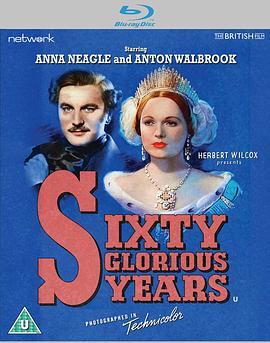
荣耀六十年1938
329
7.0
已完结
荣耀六十年1938
7.0
更新时间:06月29日
主演:Anna Neagle,Anton Walbrook,C. Aubrey Smith,Walter Rilla
简介:Sixty Glorious Years is an exercise in the creation of iconography, both for Victoria and its star, Anna Neagle (who subsequently became known as 'Regal Neagle'). Just as Elizabeth I commissioned artists to create flattering iconic images for public consumption, so this film performs a similar function, for Neagle is more beautiful than the real life Victoria. Controversial events (such as the 'Irish problem') are omitted and unpleasant aspects of Victoria's character (her petulance, arrogance, favouritism and 'right to privilege') are glossed over as endearing little 'whims'. Albert acts as a moderating influence when she goes too far.  The film followed a year after the highly successful Victoria the Great (d. Herbert Wilcox, 1937). Again the screenplay is by Miles Malleson and Robert Vansittart, and many of the supporting cast (the cream of acting talent of period) repeat their roles, this time for the colour cameras. This was the first full length Technicolor film of cinematographer Freddie Young, who captures the spectacle of royal weddings, grand balls and opulent interiors, with scenes actually filmed at royal palaces. Vivid battle scenes, set in Alexander Korda's empire territory (Sevastopol and the Sudan), rival those in The Four Feathers (d. Zoltan Korda 1939).  The title music sets the tone a regal choir sings over a shot of the crown. Elgar's 1901 'Pomp and Circumstance' march is heard during the diamond jubilee celebrations and, as Victoria's coffin lies in state, the film concludes with Anthony Collins' stately music accompanied by the text of Rudyard Kipling's 'Lest we forget'. Combined with the emotional appeal of scenes of Victoria connecting with her 'ordinary folk', this is stirring stuff.  The film connects with contemporary events of 1938. The release of two celebratory royal films was intended to boost public affection for the monarchy in the wake of Edward VIII's abdication. Anglo-German relations were another touchy subject. With another war on the horizon, influential voices wanted appeasement, and the film could be seen to fit that agenda. Victoria herself was of mainly German descent, nicknamed 'the grandmother of Europe', while Albert is a 'good German', charmingly played by Anton Walbrook as a cultured, decent man.  Sixty Glorious Years now seems unduly formal and reverential. Had movies existed during Victoria's reign (they only emerged at the end) this might have been the kind of film produced. Unlike Mrs Brown (d. John Madden, 1997), it is all so very 'Victorian'.  Roger Philip Mellor
3479
1938
荣耀六十年1938
主演:Anna Neagle,Anton Walbrook,C. Aubrey Smith,Walter Rilla
评论区
首页
电影片
连续剧
综艺片
动漫片
在线聊天