798
6.0

鹦鹉的营生

导演:
孙传峰
主演:
王震宇,张源浩,罗莎
别名:
未知
6.0
798人评分
汉语普通话
语言
未知
上映时间
19分钟
片长
简介:
该片讲述了一位年轻有为的软件公司创始人陈信芳,遭受网络“自媒体”阿文及其团伙敲诈污蔑的事件,表现某些网络“自媒体”打着正义幌子行非法之事,对个人权益、企业发展及社会公序良俗造成严重破坏,彰显了司法机关打击网络犯罪、捍卫公平正义、守护网络清朗空间的坚定信心和坚强决心。
猜你喜欢
换一换
大汉风之吕后篡汉
117
1.0
已完结
大汉风之吕后篡汉
1.0
更新时间:06月29日
主演:胡军,肖荣生,吴倩莲,杨恭如,王刚,李立群,吴越
简介:公元前202年,刘邦和项羽经过多年的争战之后,终于隔着广武涧水达成“楚河汉界”盟约,项羽放回胁迫在彭城作为人质的吕雉及其父亲吕太公,刘邦则收兵西向,从此划江称王。然而,刚刚停息的战争在张良、陈平的建议下,重开战事。一想到胁为人质,虏在彭城的耻辱,重新回到刘邦身边的吕雉妒火顿生,遂推波助澜,让刘邦出尔反尔,在项羽尚未撤回彭城的半路就发动了对项羽的追杀。经过韩信、彭越等将军的围追堵截,项羽终于在“十面埋伏”和“四面楚歌”中损兵折将、元气大伤,被困垓下后,自刎于乌江。  项羽自刎的消息传到刘邦大营,刘邦和吕雉有着各自不同的反应。对于项羽的死,吕雉由喜而悲,喜形于色的同时,也流露出无比的惋惜,毕竟和自己的夫君刘邦比起来,项羽是那么的伟岸而忠贞;和夫人吕雉的由喜而悲决然相反的是,刘邦对项羽的死,却是由悲而喜,因为从此之后再也没有第二个能站出来跟自己一争天下。项羽自刎后的第一个早春二月,刘邦在汜水北岸筑坛称帝,封吕雉为皇后,刘盈为太子,改国号为汉,迁都洛阳。  尊为大汉王朝的第一位皇后,吕雉暗暗为父亲当年的英明择婿而庆幸。但吕雉并不以此而满足,也不以自己初试身手的收获而善罢甘休。因为,有着身陷秦营、虏在彭城耻辱经历的吕雉知道,只有自己拥有绝对的权力才是最好的保全之法。极端的权力欲望,让吕雉开始了自己的篡汉计划。借着刘邦排除异己、巩固政权的机会,吕雉暗做手脚,不露声色地帮刘邦铲除了韩信、彭越和英布三个外姓王侯,继而向刘邦身边的兄弟下手,最终竟然将卢绾都逼上了作叛造反一途。  刘邦龙命归天后,满朝文武按照历朝旧制拥立刘盈为惠帝。从此,吕雉一直胁天子而操朝中大权,将刘氏子嗣一一铲除后,改封大批吕姓家人为王称侯,更将一向与自己关系暧昧的姘夫审食其封为左宰相。一时间,刘邦建立的大汉王朝似乎已经是吕后的天下。但让吕雉没有想到的是,在自己苦心孤诣地建立吕姓王朝时,一批忠诚于刘邦的大臣如周勃、陈平等人,忍辱负重,伺机谋反,直到势力日隆,一举推翻吕雉,还江山于汉室。
591
2005
大汉风之吕后篡汉
主演:胡军,肖荣生,吴倩莲,杨恭如,王刚,李立群,吴越
抬头见喜
843
1.0
已完结
抬头见喜
1.0
更新时间:06月29日
主演:王鹤棣,潘斌龙,龚蓓苾,黄小蕾,王迅,蒋易,罗京民,李胤维 ,张雅钦,付航,庄则熙,姜宏波,傅迦,任安妮,田俊虹,马松林,韩彦博,罗辑,大成,小鹏,代古拉,李赫,陈禹昊,韩卓希,魏翔,刘亚津,蒋诗萌,潇潇,牵然熊,敖昕,伍子圣,龚语心,高梓怡,陈哈琳,关博仁,高霂琰,崔宸懿,王戈,小爱,吴小涵,湛佳明,尧洋,王勉,媛梦,于山川,谢亚梅,邱运鹄,何昕霖,叶浏,李宗恒,满舒克,张潮,杨涵斌,王亚军,高可,张百乔,张同学,章博宇,娜吉玛,周宇,李卓尧
简介:影片聚焦于中年危机、家庭责任、老人关爱、子女教育等热门话题,分别讲述了企业职员中年下岗不向命运低头励志创业;大宝闺女反对二宝寄养,与长辈斗智斗勇“赢”回弟弟;外孙利用元宇宙科技让姥爷与已故姥姥再次相逢;幼稚富二代在乡村接受命运改造,结交真情找到人生价值。
900
2023
抬头见喜
主演:王鹤棣,潘斌龙,龚蓓苾,黄小蕾,王迅,蒋易,罗京民,李胤维 ,张雅钦,付航,庄则熙,姜宏波,傅迦,任安妮,田俊虹,马松林,韩彦博,罗辑,大成,小鹏,代古拉,李赫,陈禹昊,韩卓希,魏翔,刘亚津,蒋诗萌,潇潇,牵然熊,敖昕,伍子圣,龚语心,高梓怡,陈哈琳,关博仁,高霂琰,崔宸懿,王戈,小爱,吴小涵,湛佳明,尧洋,王勉,媛梦,于山川,谢亚梅,邱运鹄,何昕霖,叶浏,李宗恒,满舒克,张潮,杨涵斌,王亚军,高可,张百乔,张同学,章博宇,娜吉玛,周宇,李卓尧
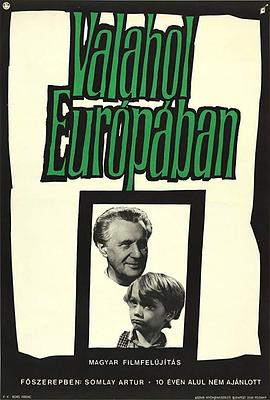
欧洲的某个地方
32
1.0
已完结
欧洲的某个地方
1.0
更新时间:06月29日
主演:Artúr Somlay,Miklós Gábor,Zsuzsa Bánki
简介:Somewhere in the remote region, the war ends. In the midst of ruined cities and houses in the streets, in rural hamlets, everywhere where people still live, are children who have lost their homes and parents. Abandoned, hungry, and in rags, defenseless and humiliated, they wander through the world. Hunger drives them. Little streams of orphans merge into a river which rushes forward and submerges everything in its path. The children do not know any feeling; they know only the world of their enemies. They fight, steal, struggle for a mouthful of food, and violence is merely a means to get it. A gang led by Cahoun finds a refuge in an abandoned castle and encounters an old composer who has voluntarily retired into solitude from a world of hatred, treason, and crime. How can they find a common ground, how can they become mutual friends The castle becomes their hiding place but possibly it will also be their first home which they may organize and must defend. But even for this, the price will be very high.  To this simple story, the journalist, writer, poet, scriptwriter, movie director, and film theoretician Béla Balázs applied many years of experience. He and the director Géza Radványi created a work which opened a new postwar chapter in Hungarian film. Surprisingly, this film has not lost any of its impact over the years, especially on a profound philosophical level. That is to say, it is not merely a movie about war; it is not important in what location and in what period of time it takes place. It is a story outside of time about the joyless fate of children who pay dearly for the cruel war games of adults.  At the time it was premiered, the movie was enthusiastically received by the critics. The main roles were taken by streetwise boys of a children's group who created their roles improvisationally in close contact with a few professional actors, and in the children's acting their own fresh experience of war's turmoil appears to be reflected. At the same time, their performance fits admirably into the mosaic of a very complex movie language. Balázs's influence revealed itself, above all, in the introductory sequences an air raid on an amusement park, seen in a montage of dramatic situations evoking the last spasms of war, where, undoubtedly, we discern the influence of classical Soviet cinematography. Shooting, the boy's escape, the locomotive's wheels, the shadows of soldiers with submachine guns, the sound of a whistle—the images are linked together in abrupt sequences in which varying shots and expressive sharp sounds are emphasized. A perfectly planned screenplay avoided all elements of sentimentality, time-worn stereotypes of wronged children, romanticism and cheap simplification. The authors succeeded in bridging the perilous dramatic abyss of the metamorphosis of a children's community. Their telling of the story (the scene of pillaging, the assault on the castle, etc) independently introduced some neorealist elements which, at that time, were being propagated in Italy by De Sica, Rossellini, and other film artists. The rebukes of contemporary critics, who called attention to formalism for its own sake have been forgotten. The masterly art of cameraman Barnabás Hegyi gives vitality to the poetic images. His angle shots of the children, his composition of scenes in the castle interior, are a living document of the times, and underline the atmosphere and the characters of the protagonists. The success of the picture was also enhanced by the musical art of composer Dénes Buday who, in tense situations, inserted the theme of the Marseilaise into the movie's structure, as a motive of community unification, as an expression of friendship and the possibility of understanding.  Valahol Europaban is the first significant postwar Hungarian film. It originated in a relaxed atmosphere, replete with joy and euphoria, and it includes these elements in order to demonstrate the strength of humanism, tolerance, and friendship. It represents a general condemnation of war anywhere in the world, in any form.
665
1948
欧洲的某个地方
主演:Artúr Somlay,Miklós Gábor,Zsuzsa Bánki
首页
电影片
连续剧
综艺片
动漫片
在线聊天